
Most people compare monthly premiums when they choose a dental plan, but this strategy backfires. The lowest-cost option can mean you compromise on coverage, network quality and overall value. Many people pay into their dental insurance all year without using their benefits and waste their money. Others find too late that their plan covers preventive care at 100%, basic services at 80%, and major dental services at only 50%. This leaves them with unexpected out-of-pocket costs. You need to understand coverage structures, network discounts, annual maximums and preventive benefits when you look for dental insurance. This piece shows you how to shop for dental insurance and helps readers avoid mistakes that get pricey. You can select what is the best dental plan to have for your needs.
The One Mistake That Costs You the Most: Choosing Based on Price Alone
Monthly premiums look straightforward at the time you compare dental insurance plans. DHMO plans average $19 monthly, PPO plans run $27, and indemnity plans cost $37. These numbers make DHMOs seem like the obvious choice if you’re learning how to choose a dental insurance plan. But this narrow focus on premiums overlooks costs that determine what dental insurance should i get for actual value.
Why the lowest premium isn’t always the best deal
Plans with lower premiums often require higher out-of-pocket expenses at the time you receive care. A plan charging $19 monthly might force patients to pay much more at each appointment through copays and coinsurance. Higher-premium plans offer better coverage percentages for basic and major procedures in most cases. The deductible structure varies between plans and ranges from $50 for individuals to $150 for families. Some plans waive deductibles for preventive services, while others apply them across all care categories.
The hidden costs that add up quickly
Annual maximums create the most substantial hidden expense. Most dental plans cap coverage between $1,000 and $2,000 per person yearly. Patients pay all remaining costs out of pocket once this limit is reached. A crown costs $2,000 without insurance, and a plan covering 50% would pay $1,000. That person quickly exceeds their annual maximum if they also need other major work during the year.
Waiting periods delay access to non-preventive care, sometimes for months after purchasing coverage. Patients either postpone needed treatment or pay full costs themselves during this time. Many plans also exclude certain services or classify procedures differently than expected, creating surprise expenses during treatment.
What to look for in dental insurance beyond the monthly payment
Calculating total yearly costs reveals true plan value. Start by multiplying monthly premiums by 12, then add expected deductibles, copays, and coinsurance based on your dental needs. Factor in the annual maximum limit and whether it lines up with potential treatment costs. You need to look at coverage percentages for each service category to shop for dental insurance, not just the entry-level price point.
Understanding What Your Dental Plan Actually Covers
Coverage details determine how much patients pay when they receive dental care. Plans operate on defined structures that control both insurer payments and patient responsibilities.
Annual maximums and how they affect your out-of-pocket costs
Annual maximums cap what insurers pay per person each year, usually between $1,000 and $2,000. Each submitted claim subtracts from this maximum until it reaches the limit. After that, patients pay 100% of costs until the next plan year. Only the insurer’s portion counts toward this cap. Deductibles and copays paid by patients do not reduce the maximum. The limit resets after each 12-month benefit period. Preventive and diagnostic procedures may not count toward the maximum depending on the specific plan. Research shows only 2% to 4% of Americans exceed their annual maximums, though those needing major work can hit this limit fast.
The 100/80/50 coverage structure explained
Most dental plans follow the 100/80/50 payment structure. They cover 100% of preventive care, 80% of basic procedures, and 50% of major procedures. Preventive care has cleanings, exams, X-rays, and sealants with no patient cost at in-network providers. Basic procedures such as fillings and root canals receive 80% coverage. Major procedures like crowns and bridges are covered at 50%, leaving patients responsible for half the cost.
Services that are excluded from standard plans
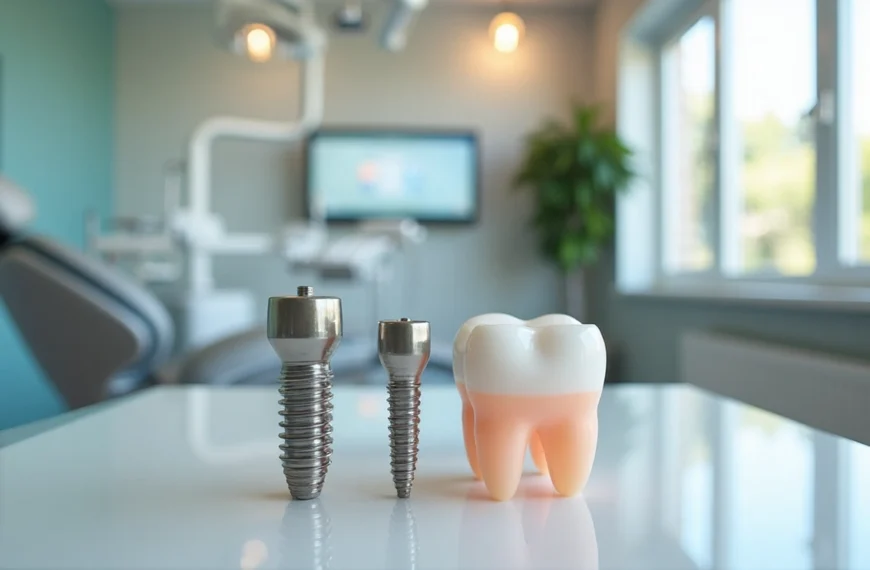
Cosmetic procedures like teeth whitening and veneers receive no coverage as they address appearance rather than health. Adult orthodontics remain excluded, though some plans cover children’s braces up to specific age limits. Dental implants face strict limitations or complete exclusion from most standard plans. Pre-existing conditions such as missing teeth may require out-of-pocket payment.
How waiting periods can delay the care you need
Preventive services become available without waiting periods. Basic procedures like fillings require 3 to 6 months before coverage activates. Major work such as crowns and dentures imposes 6 to 12-month waiting periods. Receiving services during waiting periods results in no insurance payment, leaving patients with full costs.
Network Size vs. Network Value: What Really Matters
Network quality influences total dental costs as much as coverage percentages. PPO plans dominate the market and account for 89% of commercial dental policies. These plans contract with dentists who agree to reduced fees to cover services. Members save up to 40%.
PPO networks and discount rates
Dentists within PPO networks accept pre-negotiated rates lower than their standard charges. Members pay only their coinsurance percentage of these reduced fees. The plan covers the remainder. Direct networks deliver stronger and more consistent discounts than leased networks. Insurers negotiate fees directly with dentists. Leased networks pull dentists from multiple agreements and produce unpredictable costs with higher claim variability.
How dentist fees vary within the same network
Fee schedules differ based on network management. Direct networks operate from single, clear contracts. This reduces claim errors and surprise charges. Leased arrangements apply different contracted rates depending on which network version is used. Both providers and patients face confusion. Carriers can adjust contracted fees by changing benefit levels and reimbursement structures.
Why a smaller network might save you more money
Three factors determine network value: dentist fees, discount rate and care agenda. A dentist charging less for procedures combined with strong plan discounts reduces total costs. How dentists approach treatment matters too. Using a filling instead of a crown lowers expenses even with similar discount rates. Smaller PPO networks often provide better discounts than larger mixed networks.
Questions to ask about network savings
Ask carriers about network savings rather than just size. Determine whether the network is PPO-based for optimal discounts. Verify if the network is directly managed or leased. Question how the carrier reduces total care costs beyond simple fee discounts.
The Additional Benefits Most People Overlook
Benefit features beyond simple coverage determine long-term value when learning how to choose a dental plan. Many members never find these advantages and miss opportunities to maximize their investment.
Extra coverage for specific health conditions
Plans offering special healthcare needs benefits provide additional cleanings for members with qualifying conditions. Diabetes patients receive extra visits since gum disease worsens blood sugar control. Pregnant women gain access to improved dental care supporting healthy pregnancies and potentially reducing low birth weight risks. Patients with heart conditions, weakened immunity from cancer or HIV, those undergoing radiation therapy, renal dialysis, or chemotherapy qualify for expanded coverage that reduces infection risks.
Preventive care that’s covered
Besides standard cleanings and exams, members access BrushSmart oral wellness programs offering discounts on products from Oral-B and Philips Sonicare. Virtual dentistry services enable care without leaving home. These preventive resources cost nothing beyond the premium.
Family and children’s dental benefits
Children receive fluoride treatments and sealants for cavity prevention, critical since 23% of children aged 2 to 5 develop cavities in primary teeth. Families report savings up to $1,000 yearly on care.
Supplemental perks like vision and hearing discounts
Members receive discounts on hearing aids through Amplifon and LASIK services from QualSight. LifePerks programs provide unlimited discounts on fitness, groceries, meal delivery, travel, and pet insurance. Combined dental, vision, and hearing plans bundle these services under single premiums.
Conclusion
The right dental plan requires you to look beyond monthly premiums and understand total costs and actual value. Scrutinizing coverage percentages and network quality helps you avoid mistakes. Annual maximums and overlooked benefits matter too. These factors work together, which means the cheapest plan rarely delivers the best value. Patients who invest time researching these elements save hundreds or thousands yearly and access better care. The right plan protects both dental health and financial wellbeing.
FAQs
Q1. Why shouldn’t I just choose the dental plan with the lowest monthly premium? Plans with the lowest premiums often have higher out-of-pocket costs when you actually receive care. A plan charging $19 monthly might require significantly more in copays and coinsurance at each appointment. Additionally, low-premium plans frequently have lower annual maximums (typically $1,000-$2,000), restrictive networks, and longer waiting periods for major procedures. To find true value, calculate your total yearly costs by adding premiums, deductibles, and expected copays based on your dental needs.
Q2. What does the 100/80/50 coverage structure mean in dental insurance? This common structure indicates how much your plan pays for different types of dental care. Plans typically cover 100% of preventive services like cleanings and exams, 80% of basic procedures such as fillings and extractions, and 50% of major procedures including crowns and bridges. This means for a $2,000 crown, you’d pay $1,000 out-of-pocket while insurance covers the other half, assuming you haven’t exceeded your annual maximum.
Q3. What is a dental insurance annual maximum and how does it affect my costs? An annual maximum is the cap on what your insurance will pay per person each year, usually between $1,000 and $2,000. Once you reach this limit through submitted claims, you’re responsible for 100% of any additional dental costs until your plan year resets. Only the insurer’s portion counts toward this maximum—your deductibles and copays don’t reduce it. Research shows only 2-4% of Americans exceed their annual maximums, but those needing extensive work can hit this limit quickly.
Q4. How long do I have to wait before my dental insurance covers major procedures? Waiting periods vary by service type. Preventive care like cleanings is typically available immediately with no waiting period. Basic procedures such as fillings usually require 3-6 months before coverage activates. Major work including crowns, bridges, and dentures often imposes 6-12 month waiting periods. If you receive services during these waiting periods, your insurance won’t pay anything, leaving you with the full cost.
Q5. What additional benefits do dental plans offer beyond basic coverage? Many plans include overlooked benefits like extra cleanings for people with diabetes, heart conditions, or pregnancy, since these conditions affect oral health. Some offer virtual dentistry services, discounts on electric toothbrushes through programs like BrushSmart, and savings on hearing aids and LASIK procedures. Family plans often provide fluoride treatments and sealants for children at no extra cost, with some families saving up to $1,000 yearly on preventive care alone.

 By
By
 By
By
 By
By