
Homeowners lose thousands of dollars to dishonest contractors who exploit urgency and trust. Roofing scams claim victims every year. The first step toward protecting your investment is to understand how roofers rip you off. Scammers target storm-affected areas and use tactics that range from suspiciously low bids to fabricated damage claims. Some cases reveal staggering price manipulations. Original quotes increased by 56% when processed through insurance systems.
This piece exposes the most common roofing ripoff schemes and provides useful strategies on how to avoid roofing scams. Homeowners will learn how to check if a roofing company is legit and recognize critical red flags. They will also learn steps to recover losses if they’ve been victimized. The sections that follow outline proven techniques for making informed roofing decisions.
The Most Common Roofing Ripoff Tactics Used in 2026
Roofing scams follow predictable patterns that homeowners can learn to identify. Fraudulent contractors use specific tactics designed to create urgency, bypass safeguards and maximize their profits at homeowner expense. Property owners who recognize these methods understand how roofers rip you off before signing contracts or writing checks.
Storm Chaser Contractors and Door-to-Door Pressure
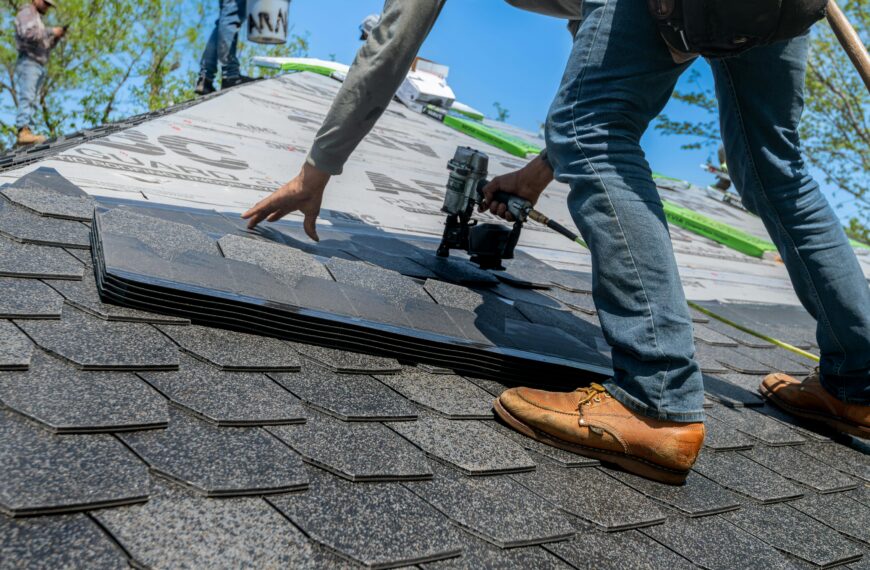
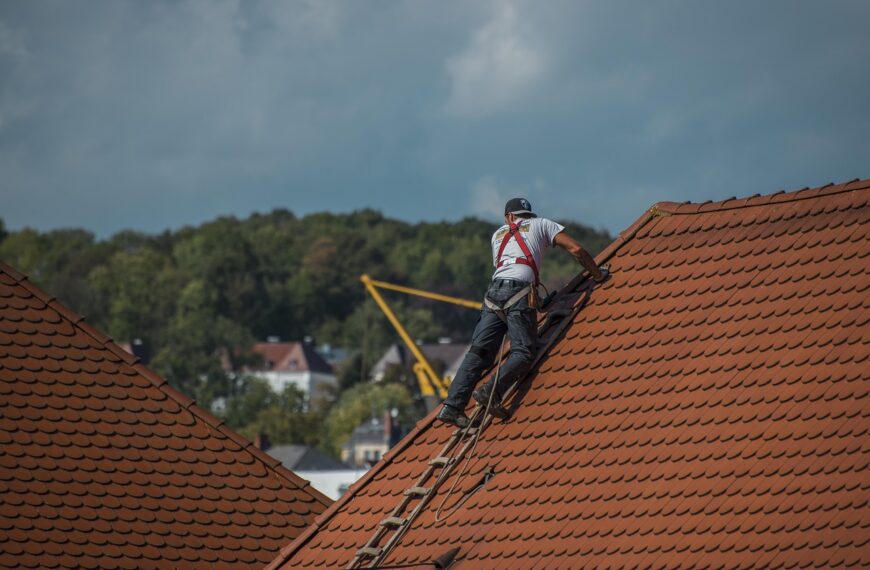
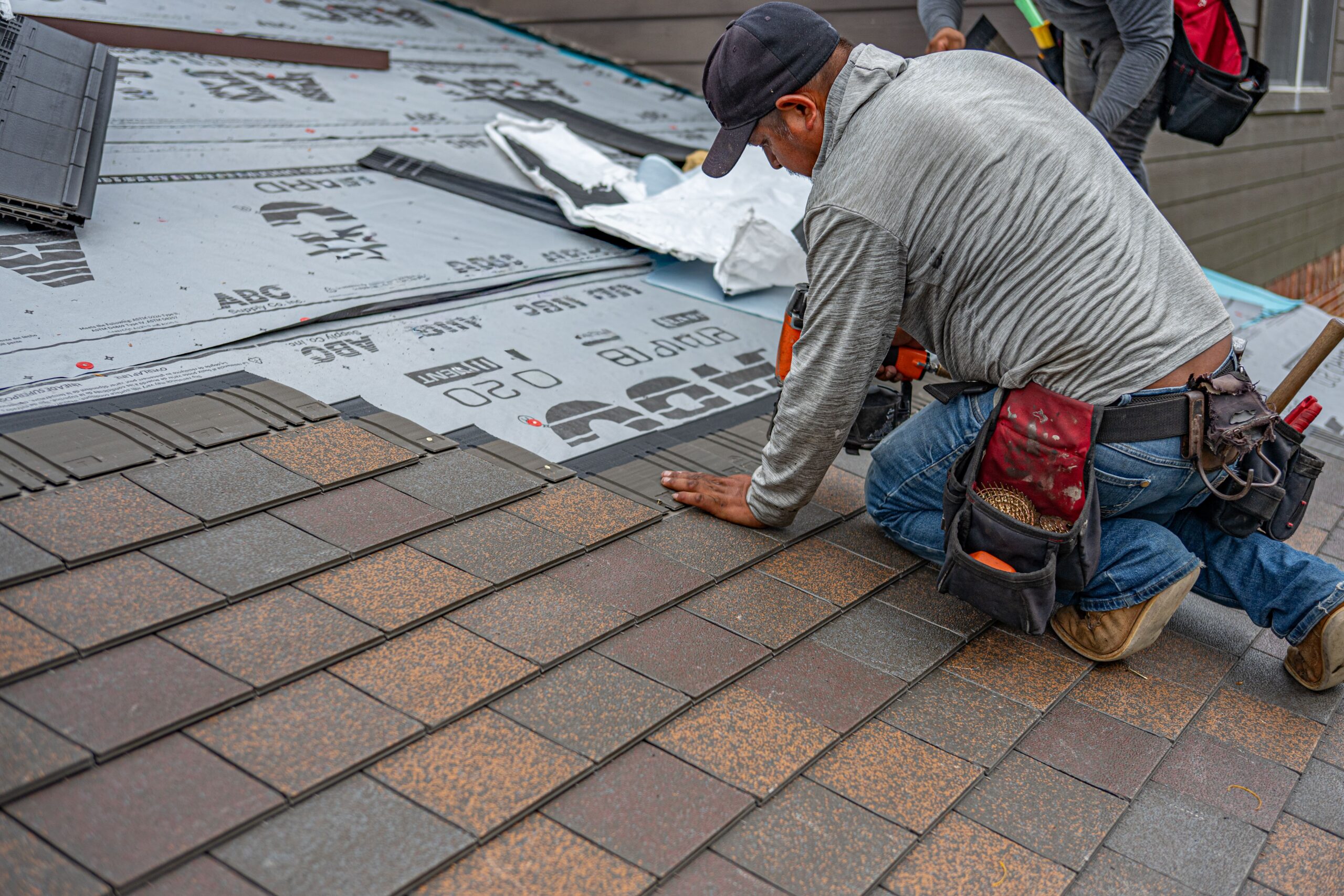
Storm chasers are out-of-state contractors who descend on neighborhoods right after severe weather events and target homes with visible damage before local roofers can respond. These operators canvass door-to-door and offer suspiciously low bids with free inspections designed to pressure homeowners into signing contracts on the spot. They operate from unmarked vehicles with out-of-state license plates. They refuse to provide contractor license numbers or proof of insurance and push “today only” deals that prevent homeowners from comparing bids. Fraudulent contractors can damage roofing materials on purpose once on the roof during a supposedly free inspection, photograph the destruction they created and present it as proof that repairs are needed. Florida authorities arrested four people for scheming to damage roofs to file insurance claims.
Suspiciously Low Bids That Balloon Later
Bids that come in by a lot lower than other reputable estimates signal potential roofing ripoff schemes. Contractors underbid to secure jobs and then increase prices after tear-off by claiming hidden damage. These low estimates exclude tear-off work, ice and water shield, quality flashing or proper ventilation. Some contractors use untrained or uninsured crews and off-brand materials or skip required permits to reduce costs. The installed price climbs much higher than the quoted price through change orders and scope modifications.
Insurance Deductible Waiver Schemes
Contractors who offer to waive or absorb insurance deductibles commit insurance fraud. This practice became so widespread that Texas enacted specific legislation making it a Class B misdemeanor punishable by 180 days in county jail and fines up to $200,000. Florida classifies deductible waivers as third-degree felonies. Contractors inflate invoices sent to insurance companies to cover the deductible amount and then use cheaper materials or rush work to compensate for the lost revenue. Both contractors and homeowners face legal consequences when they participate in these schemes.
Fabricated or Exaggerated Damage Claims
Unscrupulous roofing companies fabricate damage to secure insurance claims by tugging on shingles to simulate wind damage or referencing outdated reports of past hail storms. A homeowner’s insurance company paid $25,000 to replace a whole roof due to five damaged shingles that could have been repaired for $450 in one documented case. Contractors falsely claim damaged shingles cannot be replaced due to discontinued colors or new sizing to justify inflated costs. Reputable companies report storm damage on about 5% of inspected roofs. Fraudulent operators claim damage on nearly every roof they assess.
Large Upfront Cash Deposits
Large or full down payments before starting work rank among the clearest signals of contractor fraud. The 2026 lawsuit filed by Texas Attorney General Ken Paxton against Rubinsky Roofing illustrates this pattern. The company collected insurance payments but delayed or never completed work and affected dozens of homeowners with estimated losses of $500,000. Texas law prohibits contractors from asking for large down payments after disasters. Storm chasers just need upfront money before doing any work because they lack supplier relationships and cash flow. Reputable companies require modest deposits around 10-15% to secure scheduling, with payments following clear project milestones.
Missing Permits and Unlicensed Operations
Contractors who ask homeowners to pull building permits themselves signal they are unlicensed or want to avoid legal responsibility. Contracting without a license is criminal in most states. Unlicensed work over $5,000 carries penalties of six months in county jail or fines equal to 10% of the project value in New Mexico. Unlicensed contractors cannot get permits, so their work proceeds without required inspections and leaves no assurance the construction meets safety standards or building codes. Homeowners who hire unlicensed contractors may be held responsible if workers are injured on the property since these operators lack liability and workers’ compensation insurance.
Red Flags That Signal a Roofing Scam
Spotting warning signs before you hire prevents mistakes that can get pricey and protects homeowners from roofing ripoff schemes.
No Written Contract or Vague Paperwork
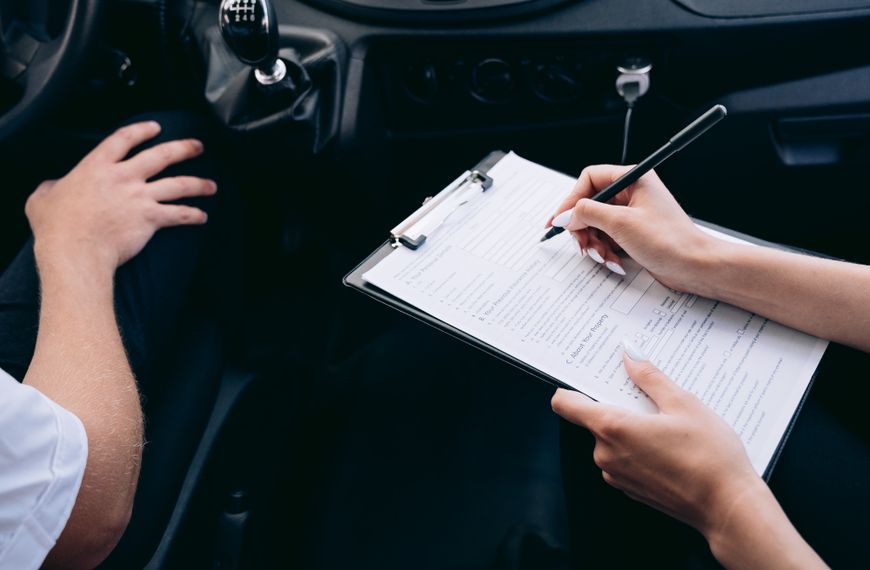
Professional contractors provide detailed, legally binding agreements before work begins. Contracts must specify project scope, material brands and types, timeline dates, transparent payment structures, warranty terms and change order protocols. Vague one-page summaries or handshake agreements offer zero legal protection. Insurance contingency agreements lock homeowners into using specific contractors before insurance adjusters visit and represent dangerous contracts. These documents allow contractors to threaten lawsuits or termination fees if homeowners attempt to fire them for poor workmanship.
Missing Business Address or Local Presence
Legitimate roofing companies maintain verifiable physical office addresses, not P.O. boxes. Contractors without traceable locations disappear after they collect payments. Local roofers possess strong reputations and get permits quickly.
Refusal to Provide License and Insurance Proof
Contractors must readily supply General Liability and Workers’ Compensation certificates along with contractor licenses. Homeowners bear financial responsibility for property damage or worker injuries without proper coverage.
High-Pressure Sales Tactics and Urgency Claims
“Today only” deals, artificial urgency claims and pressure that prevents consultation with family members signal roofing scams. A 2023 Consumer Reports survey found that 50% of homeowners pressured into immediate decisions felt less satisfied with purchases over $10,000.
Payment Terms That Favor the Contractor
Reputable contractors just need deposits around 10-15% and never exceed one-third of total project cost. Full upfront payment or cash-only demands indicate fraud. Payments should follow traceable methods and clear milestones.
How to Avoid Roofing Scams and Protect Your Investment
Proactive verification protects homeowners before they sign contracts or pay deposits.
How to Check If a Roofing Company Is Legit
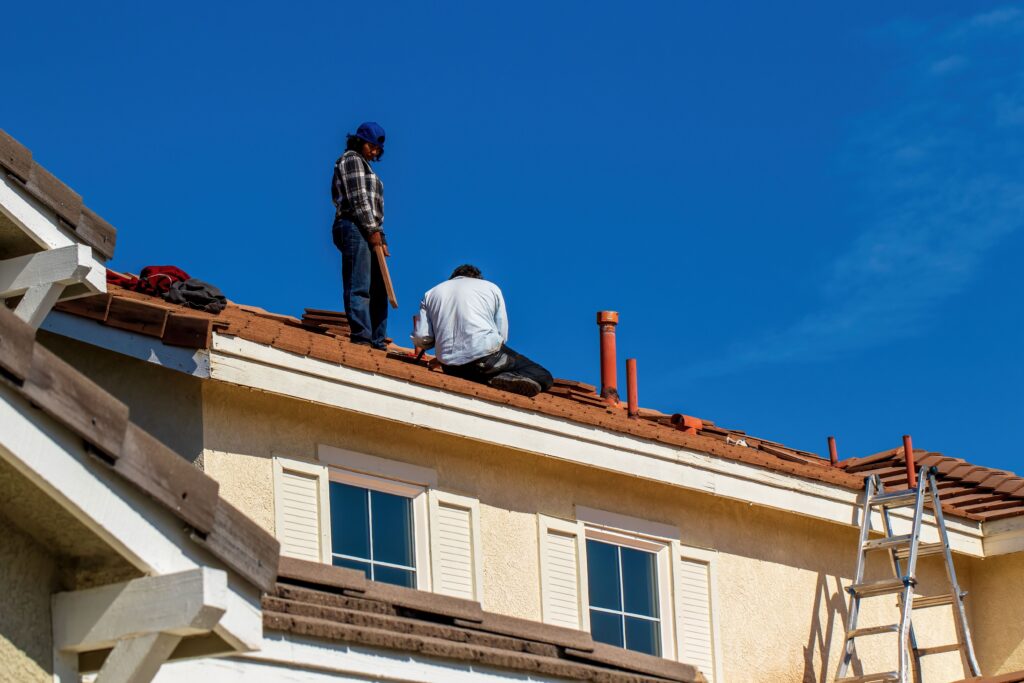
Request the contractor’s license number and confirm it through the state’s Department of Professional Regulation. Online databases in many states allow searches by company name or license number. The Better Business Bureau provides ratings, complaints and resolution patterns. Manufacturer certifications like GAF Master Elite or CertainTeed ShingleMaster show expertise. The company should maintain a permanent physical business address, not a P.O. box.
Get Multiple Written Estimates Before Deciding
Collect two to three written estimates to establish fair pricing without information overload. Price spreads between legitimate bids for similar work range from $2,000 to $4,500. Larger gaps warrant questions about materials or scope differences. Each estimate must specify materials, labor, cleanup, warranties and timelines.
Verify Licensing and Insurance Coverage
Request certificates for General Liability Insurance and Workers’ Compensation coverage. Contact the insurance provider listed to confirm policies remain active and valid. Homeowners face financial liability for property damage or worker injuries during projects without proper coverage.
Research Company History and Customer Reviews
Google Reviews, Yelp and the Better Business Bureau provide genuine customer feedback. A 2020 survey revealed that 94% of online customers prefer businesses with positive reviews. Read specific comments about timeliness, quality and problem resolution beyond star ratings. Ask for references from past clients and confirm their experiences.
Never Pay Large Amounts Upfront
Reputable contractors require deposits between 10% to 30% of total project cost. Some states prohibit contractors from accepting payment before work begins in disaster-declared counties. Tie payments to completed milestones rather than upfront lump sums. Traceable payment methods work better than cash.
Get Everything Documented in Writing
Written contracts must define scope, materials, timeline, payment schedule and warranty terms. Verbal promises hold no legal weight. Contracts should specify how the contractor handles unexpected issues like damaged decking or structural problems found during work. Payment schedules based on performance milestones protect homeowners.
What to Do If You’ve Been Ripped Off by a Roofer
Finding a roofing ripoff after the fact requires immediate action to recover losses and prevent others from becoming victims.
You Need to Document Everything Related to the Transaction
Photograph the damage and document daily repair progress. This establishes the contractor’s performance patterns. Keep all contracts, invoices, text messages, emails and payment receipts. These records become evidence if disputes escalate to legal proceedings. Photograph exposed roofing, incomplete work or property damage that contractor negligence caused.
Contact Your Insurance Company and File a Complaint
Contact the insurance claim adjuster about contractor issues right away. This ensures your coverage protection. Insurance companies maintain lists of reputable contractors and can advise on claim-related problems. Stay in contact throughout the repair process. Verify the work remains covered before you authorize additional payments.
Report the Contractor to State Licensing Boards
You should file complaints with state licensing boards, the Better Business Bureau, the National Insurance Crime Bureau and state Consumer Protection offices. Regulatory boards break down allegations and may impose discipline against contractor licenses. Your report prevents fraudulent contractors from victimizing additional homeowners.
Legal Options for Recovery
Homeowners may pursue breach of contract claims, negligent construction cases or state-specific deceptive trade practice violations. Some states maintain construction recovery funds that compensate victims after collection efforts against contractors are exhausted. Florida’s fund pays up to $50,000 per claim for specific licensing violations.
How to Get Money Back from Roofer Through Small Claims
Small claims courts handle disputes within jurisdictional limits. These range from $2,500 to $25,000. You need evidence and contractor testimony regarding defective work to win. Collection remains challenging even after judgment. You may need garnishment applications or third-party collection agencies.
Conclusion
Roofing scams thrive on homeowner ignorance and urgency. Without doubt, property owners can protect themselves from contractors who exploit trust when armed with knowledge of common tactics and red flags. Verification takes minimal time compared to the thousands lost through fraudulent schemes. Check licenses and just need written contracts. Refuse upfront payments and never let pressure tactics override careful research. Homeowners who do their homework before signing agreements take away the advantage that dishonest contractors rely on. The strategies outlined here turn potential victims into informed decision-makers.
FAQs
Q1. How can I tell if a roofing company is trying to scam me? Watch for red flags like door-to-door solicitation, pressure to sign contracts immediately, requests for large upfront payments, refusal to provide license and insurance proof, and claims that they can get your insurance to cover everything. Legitimate companies provide detailed written contracts, verifiable business addresses, and allow time for you to get multiple estimates before making a decision.
Q2. Will my insurance rates increase if I file a roof claim? Filing a claim can potentially affect your insurance rates or coverage status. Some homeowners experience premium increases after filing claims, while others may face policy non-renewal. The impact varies by insurance company, your claims history, and whether the damage resulted from a covered peril like a documented storm event.
Q3. Do insurance companies verify roof damage before approving claims? Yes, insurance companies send their own adjusters to inspect reported damage before approving claims. They also check weather records and storm data to verify that qualifying events occurred in your area during the timeframe claimed. They don’t simply accept a contractor’s word that damage exists.
Q4. What should I do if a roofer damaged my roof during an inspection? Document the damage with photos and videos immediately. Contact your insurance company to report the incident and consider filing a police report for vandalism. You may also want to report the contractor to your state licensing board and consumer protection office. Avoid signing any contracts with companies that create damage to generate business.
Q5. Are storm-chasing roofing companies always fraudulent? Not all storm-chasing companies are fraudulent, but many use questionable practices. Some legitimate contractors do travel to storm-affected areas, but reputable ones work with local companies, carry proper licensing and insurance, and don’t pressure homeowners into immediate decisions. The key is verifying credentials, getting multiple opinions, and ensuring your insurance company independently confirms any damage before proceeding.

 By
By
 By
By