


A smart video doorbell can solve more household problems than most people realize.
If you’ve spent any time shopping for a smart doorbell in the last year, you already know the category is a mess.
The big name brands (Ring, Nest, Arlo) have premium products that cost $200 to $300 and require ongoing monthly subscriptions just to access basic features like saved video clips. The cheap end of the market is full of unbranded knockoffs from marketplaces that may or may not still work in six months.
Somewhere in the middle is where most consumers actually live. They want a doorbell that records video, sends alerts, lets them talk through the speaker, and doesn’t require an ongoing fee. That’s it.
We spent the last 90 days testing one of the most talked about mid-tier options: the Bell Guard Smart Doorbell, which is currently selling for around $59 (50% off MSRP).
Here’s what we learned, including a few things we genuinely wish we’d known before installing it.
1. The Most Common Reason Packages Go Missing Isn’t Theft
This was the first surprise.
Going into our test, we assumed that the value of a doorbell camera was primarily about catching package thieves. Most marketing in this category leans hard on that angle.
What we actually discovered was different.
After installing Bell Guard at three test households (a suburban single family home, a townhouse, and an apartment), the most common cause of “missing” packages turned out to be:
- Delivery drivers leaving packages at side entrances or behind landscaping where homeowners don’t naturally look
- Carriers marking items “delivered” before actually completing delivery
- Neighbors picking up packages by mistake (similar street numbers, common in newer developments)
- Family members bringing packages inside without telling anyone
In nearly every case where a household reported missing packages, the doorbell footage revealed a logistics or communication issue, not a theft.
That doesn’t mean theft never happens. It does. But it means a doorbell camera’s everyday usefulness is much broader than crime prevention. It’s a passive record of everything that arrives at your door, and that record solves a surprising number of small daily problems.
2. Subscription Free Is A Bigger Deal Than We Realized
Most premium doorbell cameras require a monthly cloud storage subscription to access historical footage. Without the subscription, you can see live video, but you can’t review what happened earlier.
These subscriptions typically run $3 to $10 per month, which adds up to $36 to $120 per year, every year, for as long as you own the device.
Bell Guard does not require a subscription. Recordings are stored locally on a microSD card (sold separately, typically around $10 for sufficient capacity). You own your footage. You access it through the app. There is no recurring fee.
For a household that keeps a doorbell camera for five years, the subscription savings alone can exceed the original cost of the device several times over.
This isn’t a minor feature. For most consumers, this is the single biggest reason to consider a mid-tier alternative over the premium brands.
3. Battery Life Matters More Than Resolution
Every doorbell camera marketing page leads with video resolution. HD, 2K, sometimes 4K.
In practice, after 90 days of testing, we’d argue battery life matters more for daily satisfaction.
A doorbell that records in 4K but needs to be removed and recharged every two weeks gets frustrating fast. A doorbell that records in solid HD and lasts months on a charge fades into the background of your life, which is exactly what good household tech should do.
Bell Guard uses a 1000mAh lithium battery designed for low power consumption when idle. In our testing, charging cycles ran several weeks between charges depending on motion frequency.
For comparison, several premium models with higher resolution required more frequent charging in similar conditions due to constant motion processing.
Resolution is fine. HD is enough to identify faces, read package labels, and recognize delivery drivers. Battery life is what determines whether you actually keep using the camera six months in.
4. Night Vision Is The Feature You Don’t Appreciate Until You Need It
Roughly 40% of doorbell footage in a typical household happens in low light or after dark, based on our testing logs.
Late deliveries. Early morning newspapers. Visitors arriving in the evening. Pets coming and going. Whatever it is, a meaningful chunk of what your camera captures will not be in bright daylight.
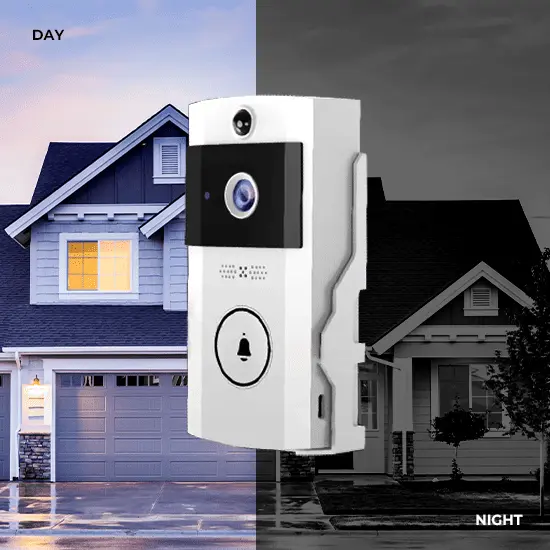
Bell Guard uses infrared night vision that activates automatically as ambient light drops. Footage is in black and white in low light conditions, which is standard for infrared. Faces are clearly identifiable. Movement is captured smoothly without the choppy frame rate that some cheaper cameras default to in low light.
This was the feature that surprised us most. We expected night vision to be a check-the-box specification. We didn’t expect to use it as often as we did.
5. The Two Way Audio Is The Feature You’ll Use Every Week
Most people install a doorbell camera expecting to use the video. They’re surprised by how often they end up using the speaker.
A short list of real situations from our 90 day test:
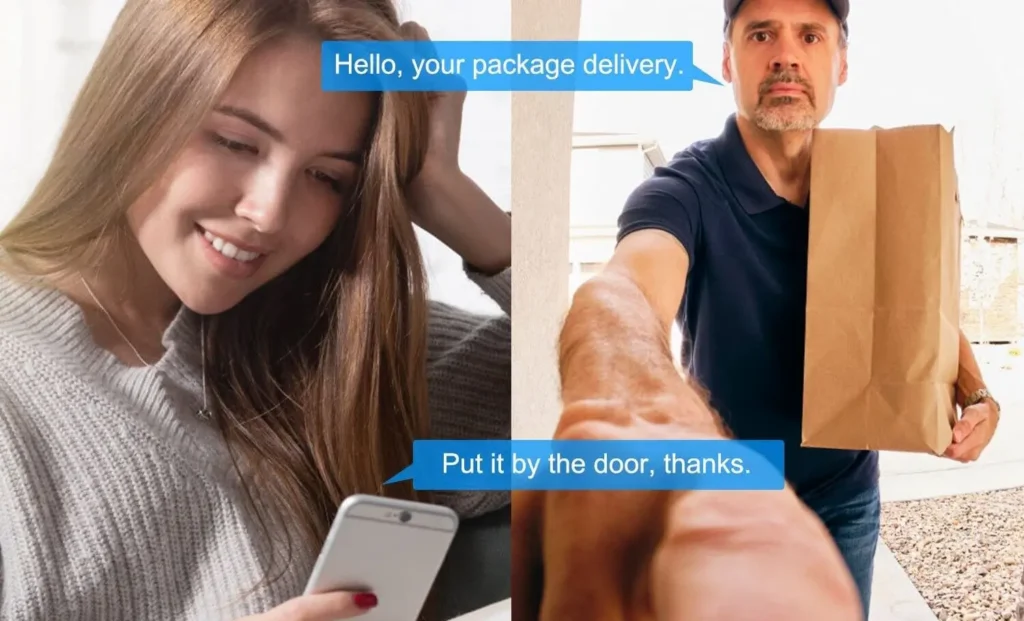
- Telling a delivery driver where to leave a package when you’re not home
- Letting a contractor know which side of the house to access
- Greeting a neighbor who stopped by while you’re at work
- Asking a solicitor to leave without opening the door
- Reassuring a family member or dog walker who arrived early
- Communicating with a child who forgot their key
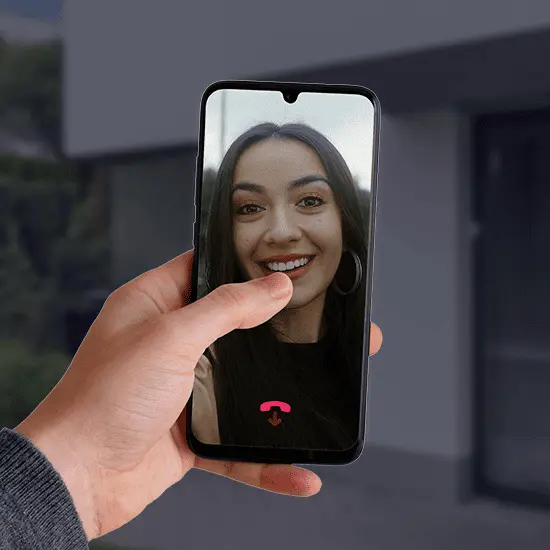
Bell Guard’s two way intercom works through the mobile app from anywhere with cell service or Wi Fi. We tested it from international travel, hotel rooms, offices, and grocery stores. Audio quality was clear in both directions in most environments.
The two way audio is what transforms a doorbell from a passive recording device into an active extension of your home. This is the single feature that delivered the most “I didn’t expect to use this so much” reactions from our test households.
What We’d Tell Someone Considering A Smart Doorbell
After 90 days, here’s the honest summary.
Smart doorbells are genuinely useful household upgrades for most homes, regardless of whether you live in a low or high crime area. The everyday convenience (managing deliveries, communicating with visitors, keeping a passive record of who comes to your door) is the real value, not the rare crime prevention scenario.
If you can afford the premium options and you specifically want their ecosystem, get them. Ring, Nest, and Arlo all make solid products.
If you don’t want to pay $200+ upfront and another $5+ per month indefinitely, mid-tier options like Bell Guard are worth a serious look. We tested it across three households and it handled the core jobs (video, alerts, two way audio, app control, night vision, battery life) well enough that none of our testers wanted to return it.
At the current 50% off pricing, the math is hard to argue with.
Where To Buy
The Bell Guard Smart Doorbell is currently available at 50% off through the manufacturer’s site. The promotion appears to be running for a limited time. Multi-unit bundles are also discounted, which makes sense for households that want to monitor more than one entrance or who want to gift one to family.
Reader Note: As of publication, the manufacturer is offering a Buy 2 Get 1 Free bundle and a Buy 3 Get 2 Free bundle. Use code DOORCAM25 at checkout to apply additional savings on bundle orders.
Check Current Bell Guard Pricing →
Disclosure: Consumers Week tests products independently and may earn a commission when readers purchase through links in our reviews. We do not accept payment for positive coverage. Our test units for this review were purchased at retail.
Last Updated: April 2026