![Window Replacement Costs 2025: What Homeowners Actually Pay [Price Guide]](https://consumersweek.com/wp-content/uploads/2025/06/Window-Replacement-Costs-2025-What-Homeowners-Actually-Pay-Price-Guide.webp)

Window Replacement Costs: New windows can cost anywhere from $100 to $2,500 per window, based on a January 2025 poll of 1,000 homeowners. Most homeowners spend about $554 for each window replacement. Complete home projects usually run between $2,678 and $13,840, depending on how many windows need replacement.
Replacing your windows is one of the most important investments you can make for your home. Energy Star shows that energy-efficient windows help cut heating and cooling costs by up to 13%. On top of that, these windows give homeowners a 67.1% return on investment when they sell their homes, according to Remodeling Magazine’s 2024 Cost vs. Value report. This explains why 43% of homeowners we surveyed chose energy savings as their main reason to buy new windows.
This piece will get into what drives window replacement costs, show you pricing for different window types and materials, and help you discover the full potential of your window upgrade project.
Average Window Replacement Costs in 2025
Window replacement projects cost different amounts based on several factors. Homeowners in 2025 need to look beyond just the per-window cost. The full picture includes how costs scale up for entire homes and the split between materials and labor.
National average cost per window
Recent surveys show homeowners spend between $300 and $2,500 per window for replacement. Most projects fall into a smaller range. A newer study, published in January 2025 by surveying 1,000 homeowners found the average replacement window costs $554. The typical range runs from $338 to $897.
Different industry sources give slightly different numbers. Some put the average at $753 per window, while others say $750 per window. These differences come from varying methods and window types included in each analysis.
The core team suggests three price tiers to help plan your budget:
- Low-end projects: $150-$400 per window
- Mid-range projects: $400-$700 per window
- Premium projects: $700-$1,200+ per window
Cost range for full-home replacement
Topic: Window Replacement Costs
The total cost to replace all windows depends mostly on how many windows you have. Current data shows homeowners pay between $2,678 and $13,840 for homes with 5-25 windows.
Here’s a breakdown by window count to help you plan:
| Number of Windows | Typical Price Range |
|---|---|
| 6-8 | $4,500-$6,000 |
| 8-12 | $6,000-$9,000 |
| 12-16 | $9,000-$12,000 |
| 16-20 | $12,000-$15,000 |
| 20-24 | $15,000-$18,000 |
| 25+ | $18,000-$20,000+ |
The average home’s project cost lands between $3,445 and $11,830, with most paying around $7,355. A typical 3-bedroom home needs $6,000 to $12,000 for complete window replacement.
Labor vs. material cost breakdown
Materials and labor costs explain why different contractors give such varied quotes. Materials make up about 85.7% of the total cost, while labor takes 14.3%.
Standard installations cost $100 to $300 per window in labor. This jumps to $600 or more per window for complex jobs that need structural changes or have tough access points.
Some contractors charge $55 to $65 per hour instead of per window. Others use day rates, which can change the per-window cost a lot, especially in smaller projects.
Labor sometimes costs more than materials. A study of bay window installations found labor took 60% of the total cost, leaving materials at 40%. Complex window styles take more time and skill to install right, which drives up labor costs.
Location affects labor costs too. Areas with high living costs and strong demand charge more for installation.
Cost Breakdown by Window Type

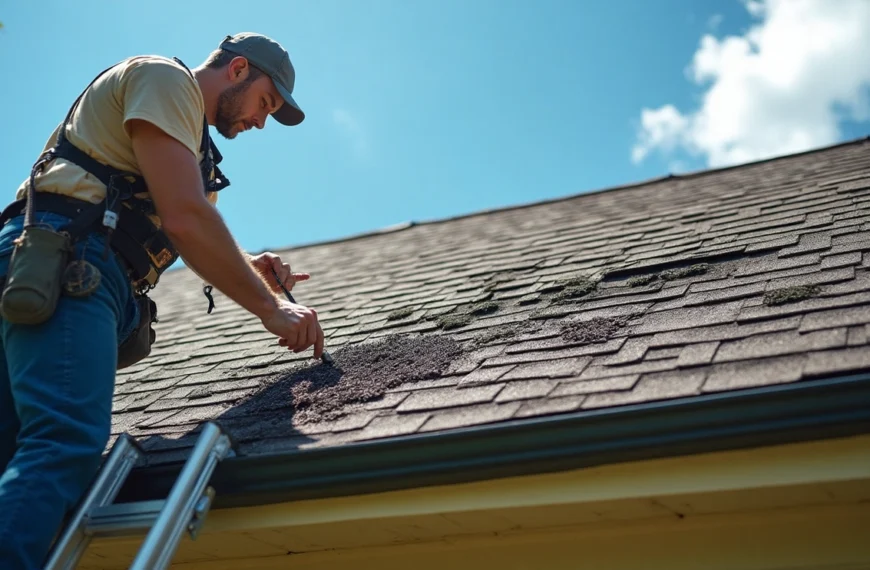
Image Source: Asher Lasting Exteriors
Window styles play a huge role in replacement costs. Each type comes with its own features, benefits, and price range. This guide helps homeowners plan their window projects for 2025 with realistic budget expectations.
Double-hung
Double-hung windows are the most popular choice in new homes today. These windows have two sashes that move up and down. The national average cost to replace a double-hung window replacement runs $429 to $915 per window. This makes them a budget-friendly option compared to other styles.
The price of double-hung windows depends on several things:
- Size (24×36 inches is standard)
- Frame material (vinyl costs less)
- Glass options (single vs. double-pane)
- Brand selection
A standard-sized double-hung window costs about $555 for materials. Installation adds $150 to $300 to your bill. High-end wood frames can cost up to $3,100, while basic vinyl options start at $250.
Casement
Casement windows open like doors using a hand crank. They usually cost $597 to $1,273 per window. These side-hinged windows work great in kitchens and bathrooms where you need good airflow.
Brand choice affects the price quite a bit. Simonton vinyl casement windows cost around $400 installed. Premium options like Andersen 100 Series run about $550 installed.
Frame materials are a big part of the cost. Vinyl frames range from $200 to $750. Fiberglass costs more at $535 to $1,575. Wood frames run $290 to $2,000, giving you classic looks at a higher price.
Bay and bow
Bay windows use three panels that stick out from your house and cost $1,732 to $3,690. Bow windows have four or more curved panels and run $1,810 to $3,859.
These windows need complex installation. Labor makes up 40% to 60% of bay window projects because of structural needs. You’ll need multiple installers and sometimes house modifications.
Size is the biggest cost factor. Bay windows cost $100 to $150 per square foot. A small 4×3-foot bay window runs about $1,400. Larger 6×6-foot versions cost up to $5,400.
Picture and fixed
Picture windows give you clear views without moving parts. They cost $609 to $1,298 on average. The simple design makes them cheaper than similar-sized operating windows.
Size makes a big difference in price. A small 3×2-foot picture window costs about $230. A large 6×5-foot version runs $1,050. Installation adds $70 to $300 based on difficulty and location.
Picture windows can’t open but they’re great for energy savings. The 2025 Cost vs. Value Report shows these windows are worth the investment, especially in homes with nice views.
Sliding and awning
Sliding windows move side-to-side on tracks and cost $775 to $1,652 each. Frame choice affects price a lot. Vinyl frames start at $250 to $350. Composite frames cost $500 to $600.
Awning windows hang from the top and open out. They cost $477 to $1,107. Their compact size keeps costs down. These windows give you a 67.5% return on investment according to the 2025 Cost vs. Value Report.
Different brands have different prices. Andersen 200 Series vinyl sliding windows cost about $435 installed. Simonton Prism awning windows run around $325 installed.
Specialty and custom
Custom and specialty windows cost more because they’re not standard sizes or shapes. You’ll pay 25-75% more than regular windows.
Custom prices change based on:
- Shape (arched, circular, geometric)
- Size
- Special glass
- Designer hardware
- Energy features
The national average for standard windows is $554. Custom windows often cost more than $1,000. Premium installations can reach $2,500 or higher depending on what you want.
How Frame Material Impacts Cost

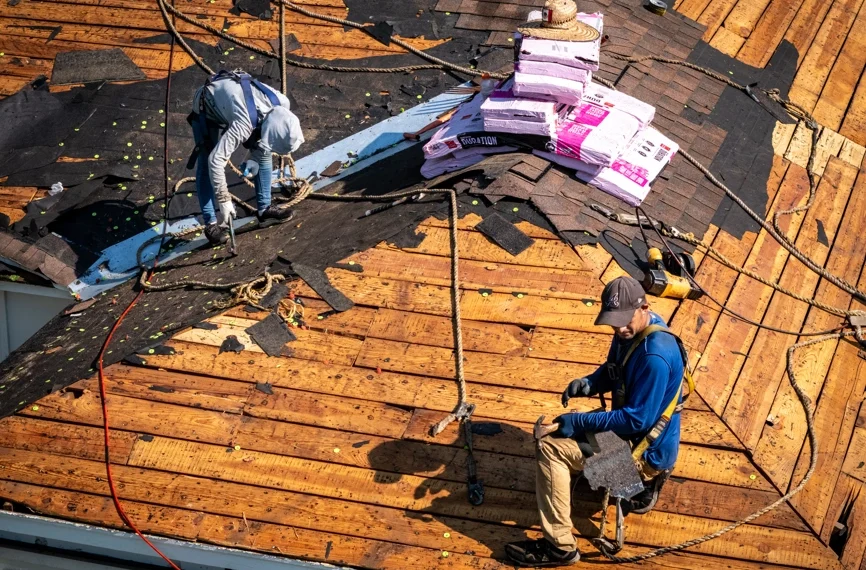
Image Source: Ring’s End
Frame material plays a huge role in your window replacement costs. Each material comes with its own benefits, lifespan, and price tag that you should think over before making your choice.
Vinyl
Vinyl windows are the most affordable option out there, with prices ranging from $287 to $1,081 per window. People love these windows not just for looks, but for practical reasons. They’re easy to maintain and won’t scratch, rust, or corrode. The energy efficiency is pretty good too. You can get standard-sized windows for as little as $285 to $608 before installation. Remodeling Magazine’s 2025 Cost vs. Value Report shows vinyl gives you the best bang for your buck with a 67.1% ROI when you sell your home.
Wood
Wood frames cost more, running between $481 and $1,616 per window. These classic beauties look amazing but they’ll cost you more upfront and take more work to maintain. Your choice of wood makes a big difference in price. Pine is the budget-friendly pick at $650 to $900 per window, while fancy teak runs $1,400 to $1,900. Cherry and mahogany sit right in the middle at about $800 to $1,100. Replacing all your home’s windows with wood frames typically costs $6,500 to $32,500, making it one of the priciest options.
Aluminum
Aluminum frames hit the sweet spot on pricing at $239 to $794 per window. Most people pay between $400 to $850, which lands right between vinyl and wood prices. These frames are tough and last up to 50 years without much fuss. The biggest drawback is heat transfer, which can make them less energy efficient unless they have thermal breaks built in.
Fiberglass
Fiberglass windows are a premium choice that costs between $460 and $1,499 per window. More people choose fiberglass these days because it lasts forever and saves energy. These frames insulate 15% better than vinyl and can last up to 50 years. They work great in places with crazy weather since they don’t warp or crack from temperature changes.
Composite
Composite frames mix wood fibers and polymers, and they’ll run you between $550 and $1,556 per window. Basic options start at $300 to $500 installed, while the fancy stuff goes for $800 to $1,200. Companies like Andersen make their own special blends – their Fibrex material uses 40% wood and 60% vinyl. These frames are slimmer than others, so you get more glass and light. This really helps with smaller windows where thick frames would block your view.
Other Factors That Affect Window Replacement Cost

Image Source: Norman Builders
Window replacement costs depend on more than just the type and frame material. Several key factors can change your project budget by hundreds of dollars per window.
Glass and pane type
The number of glass panes plays a crucial role in window pricing. Double-pane windows come with two glass panes and insulating gas between them. These standard windows typically cost between $500 and $2,000. You’ll pay more for triple-pane windows, which offer better insulation, with prices from $1,000 to $4,000.
Low-E coatings protect your home’s interior from UV damage and reflect sunlight effectively. These energy-efficient features cost more upfront but save money on energy bills over time. Special glass types like tempered (“safety glass”) and laminated glass for hurricane zones add to the final cost.
Window size and location
The bigger your windows, the more materials and work they need. Windows in tough spots, especially on upper floors, add $110 to $290 per window to labor costs because workers need special equipment to reach them safely.
Home age and structural issues
Older homes usually need custom-made windows because their openings aren’t standard sizes. Your costs can rise if there’s rot or damage that needs fixing. Frame replacement runs between $100 and $800 per window. A complete frame rebuild adds 50 percent to your replacement costs.
Permit and code requirements
Local authorities require permits that cost between $50 and $100 per window. You’ll need to submit building permit forms, window maps, measurement details, and NRFC ratings. The fines for skipping permits can reach $500 per day.
Seasonal pricing trends
Smart timing helps you save money substantially. Window companies offer better deals during fall and winter when business slows down. Prices peak in spring and summer because more homeowners schedule installations during these months.
Ways to Save on Window Replacement

Image Source: Brennan Enterprises
Smart homeowners can save big on window replacement costs. Here are proven ways to use incentives, timing, and negotiation to your advantage.
Use tax credits and rebates
The Energy Efficient Home Improvement Credit helps homeowners save money on window replacement. You can get 30% of the cost of qualifying windows up to $600. This credit works for windows you buy and install between January 1, 2023, and December 31, 2032. Your windows need Energy Star Most Efficient certification to qualify.
Many states give extra rebates through utility companies. These local programs stack with federal tax credits to save you even more money.
Choose energy-efficient models
Energy Star-certified windows save you money upfront and cut your energy bills. Homeowners save $101 to $583 each year by replacing single-pane windows.
Insulated double-pane vinyl windows with good U-factor and Solar Heat Gain Coefficient ratings give you the best value for your money. Reading energy performance labels helps you pick the right windows for your climate zone.
Buy in bulk for discounts
You’ll save more money by replacing all your windows at once. Suppliers often give 25% off for 8+ windows and 30% off for 15+ windows. These bulk discounts make total replacement cheaper per window than doing a few at a time.
Your labor costs drop too since contractors finish everything in one visit instead of making multiple trips.
Negotiate with contractors
Window replacement is competitive, so you have room to negotiate. Get 3-4 quotes and use them to discuss better prices. Let contractors know you’re comparing prices – many will match their competitors’ rates.
Schedule your installation in late fall or winter. Contractors often give discounts during these slower seasons to keep business steady.
Update instead of full-frame replacement
Insert replacement windows cost less than full-frame replacement. This method keeps your existing frames and puts in new window units, which saves on materials and labor. Full-frame replacements cost 15-20% more than insert installations.
Insert replacement works great if your frames are still in good shape. This method improves energy efficiency while preserving your home’s character – perfect for older houses with unique architectural details.
Conclusion
Making an Informed Window Replacement Decision
New windows are a major investment that pays off through better energy efficiency, higher home value, and more comfort. This piece looks at what affects window replacement costs, from materials you choose to installation details.
Window prices range from $100 to $2,500 each, which makes budgeting tricky for homeowners. Even so, knowing these cost factors helps make better decisions. The national average of $554 per window gives you a solid starting point for your budget planning.
Your choice of frame material plays a key role in the final cost. Vinyl frames give great value at $287-$1,081 per window. Wood frames cost more at $481-$1,616 but look amazing. Fiberglass frames might cost more upfront, but their durability and energy savings make them worth considering.
Smart timing of your project saves money. Prices drop in fall and winter because fewer people install windows then. Spring and summer installations cost more. You should check for tax credits and rebates too – they can cut costs by up to 30% on energy-efficient windows.
The investment makes sense when you look at the returns. Energy-efficient windows cut heating and cooling costs by up to 13% yearly. They also give about 67.1% ROI when you sell your home. No wonder half of all homeowners say they got new windows to save on energy bills.
Get multiple quotes before you start. Learn about energy performance ratings. Think about whether updating your existing windows might work better than full replacement. This information helps you make smart choices about window replacement that fit your needs and budget.
FAQs
Q1. What is the average cost of window replacement in 2025? The national average cost for window replacement in 2025 is $554 per window. However, prices can range from $300 to $2,500 per window depending on factors such as window type, frame material, and installation complexity.
Q2. When is the best time to replace windows for cost savings? The most cost-effective time to replace windows is typically during the fall and winter months. During these off-peak seasons, contractors often offer discounts due to lower demand, potentially resulting in significant savings for homeowners.
Q3. How do energy-efficient windows impact home value and energy costs? Energy-efficient windows can reduce heating and cooling bills by up to 13% annually. They also offer a return on investment of approximately 67.1% when selling a home. These benefits make energy-efficient windows a smart choice for both immediate savings and long-term value.
Q4. What are the most affordable frame materials for window replacement? Vinyl frames are generally the most budget-friendly option, with costs ranging from $287 to $1,081 per window. They offer a good balance of affordability, energy efficiency, and low maintenance requirements, making them a popular choice among homeowners.
Q5. Are there any tax incentives available for window replacement? Yes, there are tax incentives available for window replacement. The Energy Efficient Home Improvement Credit offers a 30% tax credit on the cost of qualifying windows, up to $600. This credit is available for windows purchased and installed between January 1, 2023, and December 31, 2032, provided they meet Energy Star Most Efficient certification requirements.

 By
By
 By
By
 By
By